-
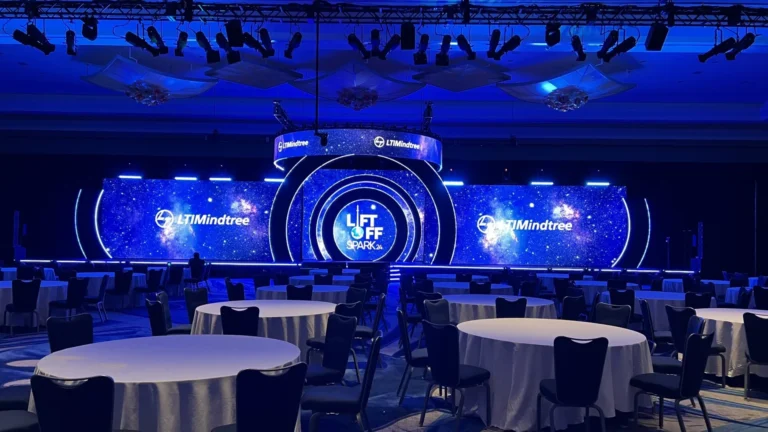
How Event Design Improves the Attendee Experience | 82 SouthWhat makes a great corporate event experience? Most people immediately think about the big things. The stage. The keynote speaker. The exhibit hall. The entertainment. The activation everyone is photographing. But after years of designing and producing corporate events, we've learned that some of the most important parts of the attendee experience are the things guests barely notice. How easily did they find registration? Did they know where to go next? Was there somewhere comfortable to have a conversation? Could they quickly understand what was happening around them? Did the event feel connected from one space to another? These details may not make the highlight reel, but they can have an enormous impact on how an event feels. Because great event design isn't only about what attendees see. It's about how they move, connect and experience everything around them. The Best Event Experiences Feel Effortless Think about the last event you attended. You probably remember when something went wrong. You couldn't find the breakout room. The registration line seemed endless. You weren't sure where lunch was being served. You missed something because a schedule changed. You wandered through an exhibit hall without knowing where to start. Those little moments create friction. And while attendees might never compliment an event planner because they found Ballroom C without getting lost, they absolutely notice when they can't. That's why attendee experience should be considered from the beginning of the event design and production process. At 82 South, we approach event design and production as an entire journey rather than a collection of individual rooms, screens, signs and stages. Every touchpoint contributes to the experience. Event Wayfinding Is Part of the Experience Wayfinding sounds operational. In reality, it's experiential. Effective event wayfinding helps attendees feel confident moving through a venue. Signs, digital displays, environmental graphics, room identifiers and strategically positioned information all work together to answer one simple question: Where do I go next? When that answer is obvious, attendees can focus their attention on why they came in the first place. They can learn. They can network. They can explore. They can engage with sponsors and exhibitors. They can enjoy the experience. Poor wayfinding creates uncertainty. Good wayfinding almost disappears. And that's exactly the point. Digital Signage Can Do More Than Give Directions One of the reasons we love using digital signage for corporate events is flexibility. Printed signage does one job extremely well: it displays whatever was printed on it. Digital signage can evolve with the event. A screen might display directions in the morning, promote a keynote before lunch, feature sponsor content during a break and provide an updated session schedule later in the afternoon. That flexibility can become especially valuable during a multi-day conference. Rooms change. Schedules shift. Messages need to be updated. Sponsors need visibility. Important information needs to reach attendees quickly. Instead of treating digital screens simply as replacements for printed signs, event planners can treat them as another communication channel within the attendee experience. We've seen that firsthand through our work with corporate conferences where centralized digital signage has allowed content and wayfinding information to change throughout an event. Technology shouldn't make an event feel more complicated. It should make the event easier to experience. Attendee Flow Matters More Than You Think Another part of event design attendees rarely consciously think about is flow. Where will people naturally gather? What happens when 1,000 attendees leave a general session at the same time? Where will conversations happen? Does an activation encourage people to stop without blocking everyone trying to walk past it? Can attendees easily move between education, exhibits, networking and food and beverage? Those aren't simply logistical questions. They're attendee experience questions. The physical layout of an event influences behavior. A lounge can encourage conversation. An open exhibit can invite exploration. A strategically placed activation can draw attendees into an area they might otherwise bypass. Seating arrangements can make networking feel natural or awkward. Even the placement of a digital display can determine whether attendees stop, continue moving or change direction. Strong event production considers not only how a space looks when it's empty but how people will actually use it once the doors open. Exhibits Should Invite People In The same thinking applies to trade show and corporate exhibits. An exhibit shouldn't simply look impressive from the aisle. It needs to work once someone walks inside. Where does the conversation begin? Can visitors quickly understand what the brand does? Is there a reason to stop? Is there something to interact with? Can someone comfortably have a longer conversation without standing in the middle of the traffic flow? Great trade show exhibit design balances visual impact with functionality. At 82 South, we think about exhibits as branded environments rather than temporary structures. The design should attract attention, but the experience inside the space is what creates the opportunity for connection. Activations Can Change How People Move Through an Event Brand activations can also play a strategic role in event flow. Yes, an activation can generate a great photo. Yes, it can create a fun moment. But it can also encourage attendees to visit a particular area, increase dwell time or create a natural conversation starter. An interactive game might draw people deeper into an exhibit. A customization station might encourage an attendee to stay several minutes longer. A shared challenge can introduce people who otherwise might never have spoken. A photo experience can turn attendees into content creators. The activation becomes part of the attendee journey rather than simply something placed inside it. That distinction matters. Don't Forget the Spaces Between the Programming One of the easiest things to overlook when planning a corporate event is what happens between scheduled activities. But some of the most valuable moments at an event happen when absolutely nothing is on the agenda. Someone runs into a former colleague outside a breakout room. A customer starts talking with a product expert in a lounge. Two attendees meet while waiting for coffee. A conversation that began during a session continues afterward. Those moments need somewhere to happen. Thoughtful event design includes places to pause. Lounge areas. Small meeting spaces. Charging areas. Seating near activations. Open spaces where people can gather without blocking traffic. These might not be headline features of an event, but they can create the conditions for the connections attendees came to make. Consistency Makes a Large Event Feel Connected A corporate conference might include a general session, dozens of breakout rooms, exhibits, sponsor areas, networking spaces, activations and evening events. Each area can have a different purpose. But they should still feel like pieces of the same experience. Branding, environmental graphics, digital signage, scenic design and messaging help create continuity as attendees move from one space to another. This is where comprehensive corporate event production becomes especially valuable. Instead of viewing each element independently, the entire environment can be designed around one brand, one audience and one event strategy. The attendee may never consciously identify every element that creates that consistency. They simply know the event feels cohesive. Good Event Design Removes Friction Experiential marketing often focuses on creating moments people notice. Great event production also requires thinking about the moments we don't want them to notice. The confusing hallway. The outdated schedule. The bottleneck outside registration. The exhibit that looks beautiful but doesn't function. The activation no one can find. The empty space where people desperately needed somewhere to sit. The goal isn't simply to create more. It's to remove the things that get in the way of the experience you're trying to create. That's why some of the best event design is almost invisible. The Attendee Experience Is the Event At 82 South, we've spent years producing events, designing exhibits, creating activations and developing digital signage solutions for brands and organizations across the country and around the world. And one thing continues to be true: Attendees don't experience an event as a list of deliverables. They experience it as one continuous journey. The stage matters. The exhibit matters. The signage matters. The activation matters. The hallway matters. The five-minute conversation between sessions matters. Every touchpoint contributes to what someone ultimately thinks and feels when they leave. So when planning your next corporate event, don't only ask: "What are we putting in the room?" Ask: "What will it feel like to be the person walking through it?" That's where unforgettable event experiences begin. Learn more here: https://82south.com/
-
Event Personalization: A Top Corporate Event Trend for 2026Have you seen the latest trend in corporate events? One size fits all is becoming one size fits none. For years, event personalization might have meant putting someone's name on a badge, recommending a breakout session or sending a targeted email before the conference. In 2026, personalization is becoming much bigger than that. Attendees increasingly want the freedom to decide how they experience an event, what content matters to them, who they connect with and how they spend their time. That shift is changing corporate event strategy, event design and even the way physical spaces are being built. What Is Attendee-Led Event Personalization? Traditional event personalization is usually organizer-led. An event planner gathers information about an attendee and then attempts to create a more relevant experience for that person. Attendee-led personalization turns that idea around. Instead of the event telling attendees exactly where to go and what to do, attendees are given more opportunities to create their own experience. Cvent identifies attendee-led personalization as one of the major event trends shaping 2026. The idea is simple: help attendees quickly find the sessions, people and experiences that are most relevant to them. That might include: Flexible agendas and session choices. Personalized session recommendations. Targeted networking opportunities. Smaller workshops and roundtables. Interactive exhibit experiences. Different environments for learning, networking and recharging. Event apps that recommend content or connections. Multiple ways to engage with the same brand or message. The result is an event that can feel much more personal — even when thousands of people are attending. Why Event Personalization Matters in 2026 People have become accustomed to personalized experiences in almost every part of their lives. Streaming platforms recommend what to watch. Retailers recommend what to buy. Social platforms continuously adjust what users see. Now attendees are bringing similar expectations to live experiences. According to event-industry data compiled by Cvent, 37% of attendees are asking for more personalized experiences compared with five years ago. Attendees are also seeking more interactive programming and more opportunities to socialize with one another. That doesn't mean every minute of a conference needs to be individually customized. It means people want choice. And choice can dramatically change the way an attendee experiences an event. The Goal: Make a Big Event Feel Smaller Think about attending a conference with 3,000 people. It can be exciting. It can also be overwhelming. Where should you go? Who should you meet? Which sessions are actually relevant? Which exhibitors should you visit? Where can you have a real conversation? The smartest corporate events are beginning to solve those problems by creating smaller experiences within larger events. Instead of one giant networking reception, there might be industry-specific gatherings. Instead of one educational track, attendees can choose among different formats. Instead of one massive exhibit experience, brands may create smaller activations designed around specific interests. Cvent's 2026 research points to curated experiences and micro-events as another growing trend, particularly because smaller formats can help people find greater relevance and stronger peer-to-peer connections inside large conferences. The event can still be big. It just doesn't have to feel big. Event Design Is Becoming More Flexible Attendee-led personalization also changes how we think about event design. A traditional event floorplan might have a ballroom, breakout rooms and an exhibit hall. A personalized event environment might include multiple types of spaces: High-energy networking areas. Quiet conversation spaces. Interactive brand activations. Small-group meeting areas. Learning lounges. Hands-on demonstration spaces. Informal seating areas. Digital information points. Recharge areas. The goal isn't simply to fill every corner of a venue. The goal is to give attendees different ways to experience the event based on what they need in that moment. Cvent's research describes purposeful environments as part of the shift happening in event design, with flexibility becoming increasingly important to attendee engagement. Technology Is Helping Personalization Scale Technology is also making personalization possible at much larger events. Event apps can recommend sessions based on interests. AI can help match attendees who have similar goals. Registration data can help create targeted communications. Smart badges and engagement data can help organizers understand how attendees actually move through an event. And post-event technology can provide personalized session summaries, resources and follow-up content. AI is becoming particularly important behind the scenes. Cvent reports that 50% of meeting planners are already using AI to help plan and execute events, with applications including event apps, attendee matchmaking, creative development and engagement tracking. But the technology itself isn't the experience. It should make the experience easier, more relevant and more human. Brand Activations Can Become Personalized Too This trend creates a particularly interesting opportunity for experiential marketing. A brand activation doesn't have to deliver the exact same experience to every attendee. Imagine an activation where attendees choose: Which product they want to explore. Which challenge they want to complete. Which item they want customized. Which content they want sent to them. Which photo experience they want to create. Which topic they want to discuss with a brand representative. Suddenly the activation becomes more than an attraction. It becomes an experience the attendee helped create. And experiences people help create are often the ones they remember. Digital Signage Can Help Attendees Find Their Own Way Personalization isn't always flashy. Sometimes it simply means making an event easier to navigate. Digital signage can play an important role by helping attendees understand what's happening, what's available and where they can go next. Schedules can update throughout the day. Different areas can promote different sessions or experiences. Sponsors can rotate based on location or programming. Interactive screens can help attendees find information relevant to them. Good wayfinding isn't just operational. It's part of the attendee experience. The easier it is for someone to find what matters to them, the more ownership they have over their event journey. Personalization Doesn't Mean Losing the Big Moment There is still absolutely a place for the big keynote. The giant reveal. The opening general session. The packed ballroom. Those moments create shared energy and give an event its identity. But between those major moments, attendees increasingly want freedom. They want to explore. They want to connect. They want to choose. The future of corporate events may therefore be less about creating one perfect attendee journey and more about creating multiple great journeys within the same event. The Question Event Planners Should Be Asking When planning your next corporate event, don't only ask: "What do we want attendees to do?" Ask: "What choices can we give attendees?" What can they discover? What can they customize? Where can they connect? How can they choose what's most relevant to them? How can the event environment help them build their own experience? Because one of the biggest corporate event trends of 2026 isn't necessarily about adding more. It's about giving attendees more control over what matters to them. At 82 South, we design experiences around the people who will actually experience them. From event production and exhibit design to brand activations, digital signage and experiential marketing, thoughtful event design can turn a large corporate event into something that feels surprisingly personal. Because the best event experience isn't always the one we completely script. Sometimes it's the one we give attendees the freedom to create. Learn more here: https://82south.com/
-
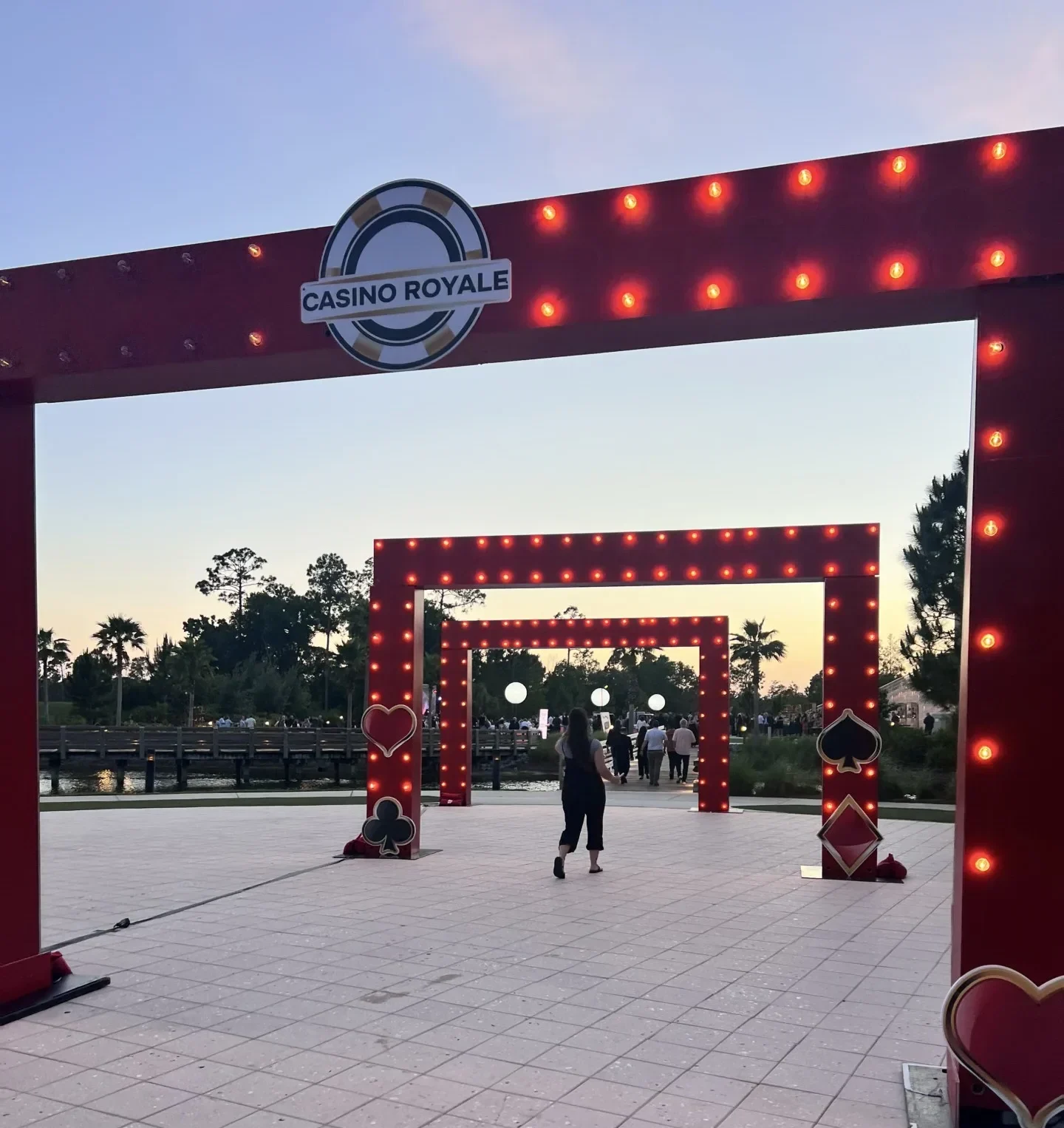 Corporate Event Trends 2026: Why Participation-First Events Are Taking OverHave you seen the latest trend in corporate events? For years, the corporate event formula was pretty familiar: keynote, breakout session, coffee break, another breakout session, reception. Repeat. But one of the biggest corporate event trends of 2026 is changing that formula. Attendees no longer want to simply watch an event happen around them. They want to participate in it. From hands-on workshops and interactive brand activations to curated networking experiences and attendee-led agendas, corporate events are becoming increasingly focused on participation, personalization and meaningful connection. And for event planners and brands, that creates a huge opportunity. Corporate Events Are Moving From Passive to Participatory Today's attendees are surrounded by content. They watch videos, attend virtual meetings, scroll social media, listen to podcasts and consume presentations all day long. So when someone travels to attend an in-person conference or corporate event, simply giving them more content isn't necessarily enough. The in-person experience has to offer something different. Forrester's 2026 research into B2B events found that two-thirds of organizations plan to incorporate more workshops, roundtables and structured networking into their events. The 2026 American Express Global Meetings & Events Forecast found something similar. Compared with five years ago, attendees are asking for more interactivity, including workshops, along with more opportunities to socialize and connect with other attendees. The message is pretty clear: The audience isn't just the audience anymore. They're part of the experience. What Does a Participation-First Corporate Event Look Like? Participation doesn't have to mean completely redesigning your conference. Sometimes it's about rethinking individual moments throughout the attendee journey. Instead of a traditional product presentation, attendees might experience a hands-on demonstration. Instead of simply walking past an exhibit, they might participate in a challenge, customize a product, play a game or create something they can take home. A traditional panel discussion can become an interactive conversation through live polling and audience questions. Networking can become a designed experience rather than hoping hundreds of people standing in a ballroom somehow introduce themselves to the right person. And a sponsor activation can become an experience attendees actively seek out, photograph and share. These moments can help transform a corporate event from something attendees watch into something they experience. Attendee Engagement Is Becoming More Personal Another major corporate event trend in 2026 is attendee-led personalization. Rather than expecting every attendee to follow exactly the same agenda, event organizers are creating more opportunities for people to choose how they experience an event. Cvent identifies attendee-led personalization as one of the trends shaping events in 2026. This can include targeted sessions, curated networking, flexible meeting spaces, smaller workshops and experiences designed for specific interests or audiences. Think of it as creating an event that has multiple paths. One attendee may spend the afternoon attending educational sessions. Another may prioritize networking. Someone else may spend more time exploring exhibits, activations or demonstrations. All three can leave having experienced the same conference in completely different ways. For large corporate events, that's powerful. Instead of making a 2,000-person conference feel like one enormous experience, thoughtful event design can make it feel much more personal. The Rise of Micro-Events Within Larger Conferences We're also seeing more events within the event. Executive dinners. Small-group workshops. VIP experiences. Hosted roundtables. Wellness activities. Invite-only networking. Customer gatherings. Creative lounges. These smaller experiences provide opportunities for deeper conversation and connection while still being part of a much larger corporate conference. Cvent calls these smaller experiences "micro-events" and "micro-moments," and they're becoming an increasingly important part of event design. The goal isn't necessarily to make events smaller. It's to make big events feel more intentional. Why Brand Activations Matter More Than Ever This shift also explains why experiential marketing and brand activations are becoming increasingly valuable at corporate events and trade shows. A successful activation gives attendees something to do. A great activation gives them a reason to interact with your brand. Interactive experiences can help start conversations, demonstrate products, generate social content, encourage attendees to spend more time in an exhibit and create memorable moments associated with a company or message. Think about what attendees are likely to remember a week after a conference. Probably not slide 37 of Wednesday afternoon's presentation. But they may remember competing against a coworker, creating a personalized item, discovering an unexpected experience, participating in a challenge or taking the photo everyone suddenly wanted. That's the difference between seeing a brand and experiencing a brand. Corporate Event Activations Need a Purpose Of course, interactive doesn't automatically mean effective. The goal isn't to put a giant game in the middle of an exhibit simply because giant games are fun. The better question is: What do we want attendees to feel, learn, remember or do next? That answer should influence the activation, event design, digital signage, technology, entertainment, content and even the way attendees move through the space. For example, an activation might be designed to: Increase traffic to a trade show exhibit. Start conversations between attendees and sales teams. Introduce a new product or service. Create user-generated social content. Educate attendees about a complicated idea. Encourage networking. Increase sponsor visibility. Or simply create a memorable brand moment. The experience is the tactic. The objective is the strategy. Event Design Is Becoming Part of the Engagement Strategy Participation-first events also change how we think about the physical environment. Event production isn't only about building a beautiful stage or selecting the right furniture. The environment itself can influence how people interact. Lounge seating can encourage conversation. Clear digital signage can help attendees navigate the event more comfortably. Smaller gathering spaces can make networking less intimidating. Interactive installations can pull attendees into underused areas. Strategic lighting, sound, scenic design and movement can completely change how a space feels. Great event design doesn't just look good. It helps attendees know what to do next. What Does This Corporate Event Trend Mean for Planners? The conference of the future may look a lot less like a traditional conference. There will still be general sessions, stages and breakout rooms. But surrounding those elements will be experiences attendees can explore, conversations they can join, activations they can interact with and opportunities to shape their own journey. For event planners and brands, the question is shifting. Instead of asking: "What are we going to show attendees?" Start asking: "What are we going to let attendees experience?" That small change in thinking can transform attendee engagement. Creating Corporate Events People Want to Be Part Of At 82 South, we believe memorable corporate events happen when creative ideas and smart event strategy work together. From event production and exhibit design to experiential marketing, brand activations, digital signage and event logistics, every element is an opportunity to create a stronger connection between an audience and a brand. Because the best corporate events don't just give attendees something to see. They give them something to be part of.