Have you seen the latest trend in corporate events?
For years, the corporate event formula was pretty familiar: keynote, breakout session, coffee break, another breakout session, reception. Repeat.
But one of the biggest corporate event trends of 2026 is changing that formula.
Attendees no longer want to simply watch an event happen around them. They want to participate in it.
From hands-on workshops and interactive brand activations to curated networking experiences and attendee-led agendas, corporate events are becoming increasingly focused on participation, personalization and meaningful connection.
And for event planners and brands, that creates a huge opportunity.
Corporate Events Are Moving From Passive to Participatory
Today’s attendees are surrounded by content.
They watch videos, attend virtual meetings, scroll social media, listen to podcasts and consume presentations all day long. So when someone travels to attend an in-person conference or corporate event, simply giving them more content isn’t necessarily enough.
The in-person experience has to offer something different.
Forrester’s 2026 research into B2B events found that two-thirds of organizations plan to incorporate more workshops, roundtables and structured networking into their events.
The 2026 American Express Global Meetings & Events Forecast found something similar. Compared with five years ago, attendees are asking for more interactivity, including workshops, along with more opportunities to socialize and connect with other attendees.
The message is pretty clear:
The audience isn’t just the audience anymore. They’re part of the experience.
What Does a Participation-First Corporate Event Look Like?
Participation doesn’t have to mean completely redesigning your conference.
Sometimes it’s about rethinking individual moments throughout the attendee journey.
Instead of a traditional product presentation, attendees might experience a hands-on demonstration.
Instead of simply walking past an exhibit, they might participate in a challenge, customize a product, play a game or create something they can take home.
A traditional panel discussion can become an interactive conversation through live polling and audience questions.
Networking can become a designed experience rather than hoping hundreds of people standing in a ballroom somehow introduce themselves to the right person.
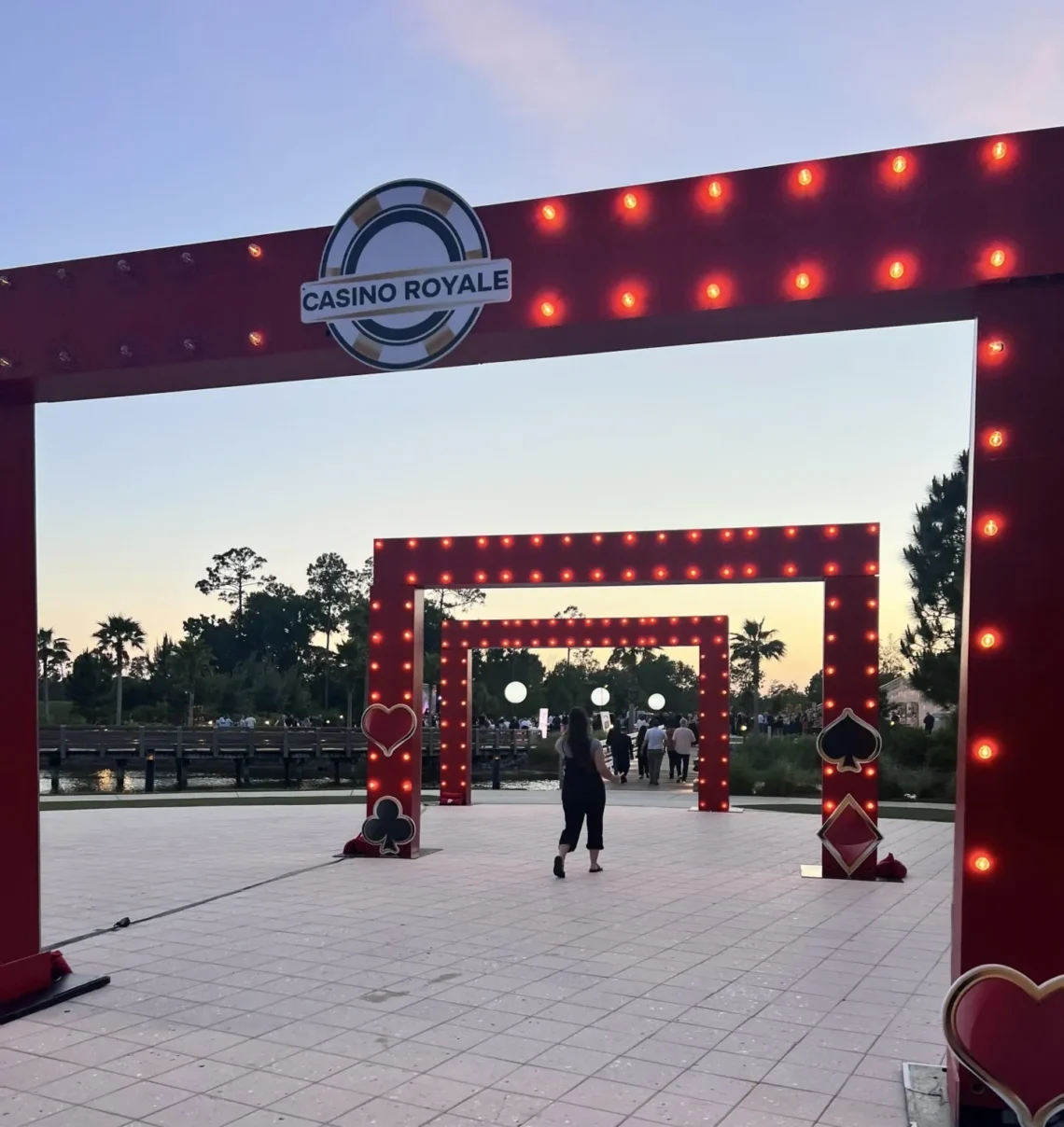
And a sponsor activation can become an experience attendees actively seek out, photograph and share.
These moments can help transform a corporate event from something attendees watch into something they experience.
Attendee Engagement Is Becoming More Personal
Another major corporate event trend in 2026 is attendee-led personalization.
Rather than expecting every attendee to follow exactly the same agenda, event organizers are creating more opportunities for people to choose how they experience an event.
Cvent identifies attendee-led personalization as one of the trends shaping events in 2026. This can include targeted sessions, curated networking, flexible meeting spaces, smaller workshops and experiences designed for specific interests or audiences.
Think of it as creating an event that has multiple paths.
One attendee may spend the afternoon attending educational sessions. Another may prioritize networking. Someone else may spend more time exploring exhibits, activations or demonstrations.
All three can leave having experienced the same conference in completely different ways.
For large corporate events, that’s powerful.
Instead of making a 2,000-person conference feel like one enormous experience, thoughtful event design can make it feel much more personal.
The Rise of Micro-Events Within Larger Conferences
We’re also seeing more events within the event.
Executive dinners. Small-group workshops. VIP experiences. Hosted roundtables. Wellness activities. Invite-only networking. Customer gatherings. Creative lounges.
These smaller experiences provide opportunities for deeper conversation and connection while still being part of a much larger corporate conference.
Cvent calls these smaller experiences “micro-events” and “micro-moments,” and they’re becoming an increasingly important part of event design.
The goal isn’t necessarily to make events smaller.
It’s to make big events feel more intentional.
Why Brand Activations Matter More Than Ever
This shift also explains why experiential marketing and brand activations are becoming increasingly valuable at corporate events and trade shows.
A successful activation gives attendees something to do.
A great activation gives them a reason to interact with your brand.
Interactive experiences can help start conversations, demonstrate products, generate social content, encourage attendees to spend more time in an exhibit and create memorable moments associated with a company or message.
Think about what attendees are likely to remember a week after a conference.
Probably not slide 37 of Wednesday afternoon’s presentation.
But they may remember competing against a coworker, creating a personalized item, discovering an unexpected experience, participating in a challenge or taking the photo everyone suddenly wanted.
That’s the difference between seeing a brand and experiencing a brand.
Corporate Event Activations Need a Purpose
Of course, interactive doesn’t automatically mean effective.
The goal isn’t to put a giant game in the middle of an exhibit simply because giant games are fun.
The better question is:
What do we want attendees to feel, learn, remember or do next?
That answer should influence the activation, event design, digital signage, technology, entertainment, content and even the way attendees move through the space.
For example, an activation might be designed to:
Increase traffic to a trade show exhibit.
Start conversations between attendees and sales teams.
Introduce a new product or service.
Create user-generated social content.
Educate attendees about a complicated idea.
Encourage networking.
Increase sponsor visibility.
Or simply create a memorable brand moment.
The experience is the tactic.
The objective is the strategy.
Event Design Is Becoming Part of the Engagement Strategy
Participation-first events also change how we think about the physical environment.
Event production isn’t only about building a beautiful stage or selecting the right furniture.
The environment itself can influence how people interact.
Lounge seating can encourage conversation. Clear digital signage can help attendees navigate the event more comfortably. Smaller gathering spaces can make networking less intimidating. Interactive installations can pull attendees into underused areas. Strategic lighting, sound, scenic design and movement can completely change how a space feels.
Great event design doesn’t just look good.
It helps attendees know what to do next.
What Does This Corporate Event Trend Mean for Planners?
The conference of the future may look a lot less like a traditional conference.
There will still be general sessions, stages and breakout rooms.
But surrounding those elements will be experiences attendees can explore, conversations they can join, activations they can interact with and opportunities to shape their own journey.
For event planners and brands, the question is shifting.
Instead of asking:
“What are we going to show attendees?”
Start asking:
“What are we going to let attendees experience?”
That small change in thinking can transform attendee engagement.
Creating Corporate Events People Want to Be Part Of
At 82 South, we believe memorable corporate events happen when creative ideas and smart event strategy work together.
From event production and exhibit design to experiential marketing, brand activations, digital signage and event logistics, every element is an opportunity to create a stronger connection between an audience and a brand.
Because the best corporate events don’t just give attendees something to see.
They give them something to be part of.